Brain Injury Lawyer Denver for Premises Liability Head Injury Claims
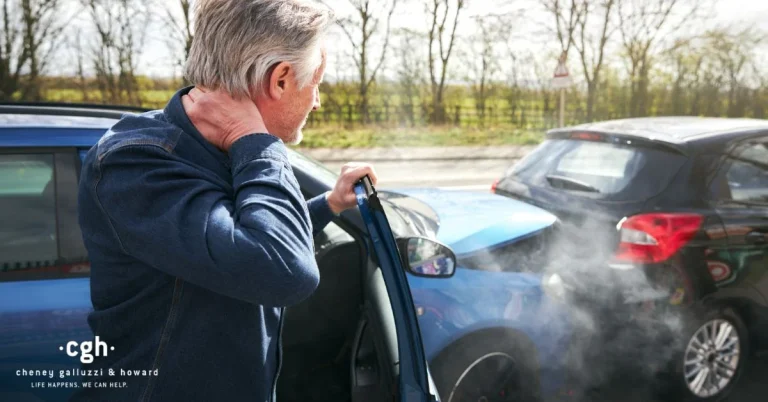
A head injury on someone else’s property can change the course of a person’s life in a matter of seconds. One missed patch of ice outside an apartment entrance, one loose stair tread in a restaurant, one poorly lit parking garage, and a routine day becomes a medical crisis. When that injury affects the brain, the legal case is rarely simple. Symptoms can arrive late, scans can look deceptively normal, and the injured person may seem fine to outsiders while struggling with memory loss, headaches, mood changes, or an inability to work.
That is why premises liability cases involving traumatic brain injuries demand a different level of attention. A claim built around a broken wrist or a sprained ankle usually turns on visible damage and a shorter recovery timeline. A brain injury claim often involves invisible harm, uncertain prognosis, and the need to connect medical science to property owner negligence in a way that an insurance adjuster, defense lawyer, judge, or jury can understand. A seasoned Brain Injury Lawyer Denver residents trust will usually focus not just on proving that a dangerous condition existed, but on showing how a seemingly ordinary fall or impact produced long-lasting neurological consequences.
In Denver, these cases arise in more places than most people expect. Grocery stores, hotels, bars, office buildings, ski area lodging, apartment complexes, parking structures, construction-adjacent walkways, and private homes all generate serious premises claims. Some involve a direct strike to the head. Others involve a sudden backward fall where the head snaps against concrete. In both settings, the central legal questions remain familiar: who controlled the property, what hazard was present, how long it existed, whether it should have been discovered, and what the owner or operator failed to do.
Why brain injury claims are different from ordinary slip and fall cases
A person can hit their head, stand up, insist they are okay, and still be dealing with a serious injury. That disconnect causes real problems in litigation. Property owners and insurers often point to the moments right after the incident. If the injured person walked out on their own, spoke clearly to staff, drove home, or waited a day to seek treatment, the defense may argue the injury is exaggerated or unrelated.
That argument sounds neat on paper. It often falls apart under closer review.
Traumatic brain injuries exist on a wide spectrum. Some are catastrophic and obvious from the start. Others are classified as mild traumatic brain injuries, yet produce major functional losses. A concussion can interfere with concentration, short-term memory, emotional regulation, sleep, processing speed, and balance. For someone with a demanding job, young children at home, or preexisting stressors, those impairments can unravel daily life quickly.
Many people also make the understandable mistake of minimizing what happened. They are embarrassed by the fall. They do not want to create a scene. They assume a headache means they are shaken up, not seriously hurt. Hours later or the next morning, they begin vomiting, forget details, cannot tolerate light, or notice they are speaking more slowly. In a legal case, timing matters, but delayed symptoms do not mean the injury is fake. They are common enough that experienced counsel expects to see them.
The practical challenge is proof. Brain injury cases often require a lawyer to build a timeline with unusual care. That means obtaining incident reports, surveillance footage, witness statements, emergency records, urgent care notes, primary care follow-up, neurologist evaluations, neuropsychological testing, physical therapy, vestibular treatment, and employment records showing changes in performance or missed work. The law values documentation, and brain injuries reward disciplined documentation more than almost any other injury category.
Where premises liability head injury claims commonly start in Denver
Denver’s climate and built environment create recurring patterns. Winter weather brings ice, packed snow, melt-and-refreeze conditions, and slippery entryways. Older buildings bring uneven stairs, loose railings, poor drainage, and worn walking surfaces. Nightlife areas create another set of hazards, especially where alcohol, crowding, dim lighting, and aggressive cleaning schedules leave slick floors unattended. Multifamily housing presents frequent claims involving common areas, stairwells, sidewalks, and parking lots where maintenance responsibilities are often disputed between owners, managers, and contractors.
Not every dangerous condition creates legal liability. That distinction matters. A property owner is not automatically responsible just because an injury happened on the premises. The case usually turns on whether the owner or occupier knew, or should have known, about the hazard and failed to address it within a reasonable time. There are also cases where the defense argues the condition was open and obvious, or that the injured person was distracted, wearing unsafe footwear, using a phone, or ignoring posted warnings.
Good lawyers do not treat those defenses as surprises. They investigate around them. If ice formed repeatedly near a leaking gutter, a one-time weather excuse becomes less persuasive. If a stairway had no working light for days, “watch where you were going” loses force. If employees walked past a spill several times, actual notice becomes easier to prove. A strong premises case is usually less about the dramatic moment of the fall and more about the quiet facts that show the danger was preventable.
The first days after a head injury often shape the legal case
From a litigation standpoint, the first week matters enormously. From a medical standpoint, it may matter even more.
People with potential brain injuries should get evaluated promptly, especially if they experience headache, dizziness, confusion, nausea, vomiting, blurred vision, sensitivity to light or noise, balance problems, unusual fatigue, personality changes, or memory gaps. Some symptoms suggest an emergency and deserve immediate treatment. A lawyer cannot diagnose those conditions, but an experienced one can often spot when a client’s “I’m just a little foggy” description points to something much more serious.
There is also a practical reason not to delay. Insurance carriers study gaps in care. If a person waits two or three weeks before seeing a doctor, the defense may say the symptoms came from something else: stress, a later accident, a prior concussion, poor sleep, medication, or unrelated mental health issues. Sometimes that argument is weak, but it becomes harder to rebut if the medical record does not begin close to the event.
Another common problem is underreporting. Patients often mention a sore neck and forget to describe the mental symptoms that become the center of the case later. Then the early chart says “denies loss of consciousness, alert, oriented, no acute distress,” and the defense waves that language around for months. A capable Brain Injury Lawyer Denver claimants hire will usually spend significant time reviewing those records, identifying what is there, what is missing, and which doctors can help explain why early notes do not always capture the full picture.
How Colorado premises liability law affects these cases
Colorado premises liability claims operate under a framework that focuses heavily on the injured person’s status on the property and the landowner’s corresponding duty. In broad terms, the law may treat customers, social guests, and trespassers differently. That matters because the duty owed to someone invited onto property for the owner’s business benefit is generally greater than the duty owed to a person with less protected status.
These distinctions are not academic. In a grocery store case, for example, the central issue may be whether the store used reasonable care to protect customers from dangers it knew about or should have discovered. In a private residence case involving a guest, the duty analysis may look different. In a case involving a child who wandered into a hazardous area, still different facts may control the result.
Colorado also applies comparative fault principles in many personal injury matters, meaning damages can be affected if the injured person shares responsibility. In a head injury case, the defense may claim the person wore unsafe shoes, ignored warning cones, took a shortcut through a blocked area, or was intoxicated. A serious lawyer evaluates those arguments early, not as an afterthought.
Deadlines matter too. Premises liability claims are governed by statutes of limitation and notice rules that can vary depending on who owns or controls the property. Claims involving public entities can trigger special notice requirements on a much shorter timeline. Waiting too long can damage or destroy an otherwise valid case. For that reason alone, early legal review is usually worth it, even if the injured person has not decided whether to sue.
What a lawyer looks for when proving the property owner was at fault
Premises cases are won through detail. People often assume the dispute is about the injury alone. It is not. The plaintiff must usually prove both liability and damages, and liability tends to require fast, disciplined evidence gathering.
In a head injury case, the most valuable evidence is often the evidence that disappears first. Surveillance footage may be overwritten within days. Snow gets melted and shoveled away. Spills get cleaned. Temporary signs vanish. Witnesses forget what they saw. Employees leave the job. Maintenance logs get harder to trace.
That is why early intervention matters. A lawyer may send preservation letters, request incident reports, identify contractors responsible for maintenance, inspect the scene, and compare witness recollections against photographs, weather data, cleaning schedules, and inspection procedures. In winter fall cases, timing is especially important. Was the hazard caused by a fresh storm, or by refreeze after earlier melting? Did the owner salt the front walk but ignore the side entrance used by residents? Was there a handrail? Was the lighting poor? Did prior complaints exist?
A recurring issue in Denver cases is control. The property owner is not always the only relevant party. A management company, snow removal contractor, tenant, security operator, or maintenance vendor may share responsibility depending on the site and contract terms. Sorting that out early matters because each party may try to point at someone else.
The hidden losses in a traumatic brain injury claim
The public often thinks of damages in terms of hospital bills. In brain injury cases, that is only the starting point.
A person with post-concussive symptoms may lose income without ever being formally declared permanently disabled. They may return to work and still perform at a reduced level. A sales executive who once handled ten client meetings a week may now manage four before the headaches start. A warehouse worker with dizziness may be barred from ladders or forklifts. A teacher may forget lesson sequences. A project manager may lose the ability to track multiple deadlines. These are not abstract losses. They change earning capacity, job security, and self-worth.
Home life changes too. Spouses often notice the injury before outsiders do. The injured person becomes irritable, forgetful, emotionally flat, noise-sensitive, or exhausted by ordinary tasks. Parenting gets harder. Driving feels unsafe. Social events become draining. Sleep fractures. That pattern shows up in real cases again and again, and it is one reason damages in brain injury matters should never be measured by the emergency room bill alone.
Neuropsychological testing can play an important role here, though it is not necessary in every case. In the right claim, it helps translate subjective complaints into measurable cognitive deficits. It can also expose effort disputes, preexisting issues, or alternative explanations, which is why experienced lawyers do not order every possible test reflexively. Good advocacy is selective. The right evidence is more persuasive than a thick file of marginal records.
Why insurance companies fight these claims hard
Insurers understand the financial exposure in a brain injury case. Even a so-called mild traumatic brain injury can lead to months of treatment, time off work, therapy, medication, specialist consultations, and long-term cognitive complaints. If the client is young or in a high-earning profession, future losses can become substantial.
As a result, these claims often draw familiar defense themes. The incident was minor. The person did not lose consciousness. The CT scan was normal. The symptoms are subjective. The claimant had anxiety before the fall. The headaches come from the neck, not the brain. The property owner had no notice. The weather created an unavoidable condition. The plaintiff was rushing. The medical providers are over-treating.
Some of those issues are legitimate in certain cases. Some are just pressure tactics dressed as analysis. A skilled Brain Injury Lawyer Denver families turn to should be able to tell the difference. Not every claim deserves a courtroom fight. Some should settle early if liability is uncertain and the symptoms resolve quickly. Others need a much firmer approach, especially when the medical trajectory becomes clearer over time and the insurer continues to value the case as if it were a routine fall with a bruised hip.
One of the biggest strategic judgments in these cases is when to talk settlement seriously. Settle too early, and the client may sign away rights before the extent of the brain injury is known. Wait too long without building evidence, and leverage weakens. The right timing depends on treatment progress, prognosis, work impact, and the quality of the liability proof.
What to do after a premises-related head injury
If there is one place where simple advice helps, it is here. The early steps can protect both health and the legal claim.
Seek medical attention and describe all symptoms, not just pain. If you are dizzy, forgetful, light-sensitive, nauseated, or mentally foggy, say so clearly.
Report the incident to the property owner, manager, or business, and ask that a written report be created if possible.
Photograph the scene, your injuries, your shoes, and any hazard conditions before they change, if you can do so safely or have someone help.
Avoid giving detailed recorded statements to the other side’s insurer before you understand your condition and rights.
Speak with counsel promptly, especially if symptoms persist, the property is commercial, or the injury affects work or daily function.
Those steps are straightforward, but they matter because premises evidence disappears fast and brain injury symptoms often evolve.
The role of medical experts and treating providers
Many clients assume the legal case turns on one dramatic expert witness. More often, it turns on careful coordination among treating providers and, when needed, outside experts. Emergency physicians document acute presentation. Neurologists assess ongoing symptoms and rule out other pathology. Physical medicine specialists, vestibular therapists, and occupational therapists track functional deficits. Neuropsychologists may quantify cognitive changes. Vocational experts can explain why a person who technically returned to work is still economically impaired.
The treating doctors usually carry special weight because they observed the patient over time. At the same time, treating records are not designed to tell a legal story. They are designed to guide medical care. That means they may contain shorthand, omissions, and ambiguous phrases. A good lawyer knows how to work with the existing medical picture rather than trying to force it into an artificial theory.
That judgment matters most in close cases. Suppose the client had migraines years earlier, or a prior concussion from youth sports, or depression treated before the accident. Those facts do not automatically destroy the claim. They do, however, require a cleaner causation analysis. Sometimes the injury caused a brand-new condition. Sometimes it worsened a vulnerable baseline. Sometimes both are partly true. The strongest cases confront that complexity directly instead of pretending it does not exist.
When a head injury claim may be stronger than it first appears
Some of the best claims are the ones insurers initially dismiss. The incident looks ordinary. There is no surgery. The imaging is unremarkable. The client is polite and understated. Then the fuller picture develops. They cannot handle screens for long. They lose a promotion. Their spouse takes over finances because bills get missed. They withdraw socially. Months later, the records tell a coherent story of ongoing impairment that began immediately after a preventable fall on poorly maintained property.
That pattern is familiar to lawyers who regularly handle traumatic brain injury litigation. It is one reason experienced counsel often advises patience early on. You do not need to overstate a case to prove it. You need to document it honestly and completely.
The reverse is also true. Some people fear they have a life-changing brain injury, then improve substantially within a few weeks or months. Those cases still matter, especially if the medical bills are significant and the property owner was clearly at fault. But they should be valued differently than claims involving long-term cognitive loss. Sound legal advice requires that kind of realism.
Choosing the right lawyer for a Denver premises liability brain injury case
A general personal injury practice may be perfectly capable in many accident claims, but brain injury cases put pressure on a lawyer’s ability to manage medical complexity and long-term damages. The issue is not just whether the attorney can file a complaint. It is whether they can understand symptom progression, identify the right records, anticipate defense medicine, and present the injury in a way that rings true rather than inflated.
That usually means asking practical questions. Has the lawyer handled traumatic brain injury claims before? Do they understand premises liability under Colorado law, not just auto cases? Are they prepared to investigate quickly? Do they know when to involve experts and when not to? Can they explain the strengths and weaknesses of the case without sales language?
Clients should also pay attention to how a lawyer discusses uncertainty. Anyone who promises a large result at the first meeting is usually telling you what you want to hear, not what the case actually supports. A more reliable approach is measured. Here is what we know. Here is what we still need. Here are the likely defense arguments. Here is the range of outcomes if symptoms improve, and here is how the analysis changes if they do not.
That kind of candor matters in brain injury litigation because the case often develops over time. The best advocacy is not loud. It is disciplined, medically literate, and grounded in proof.
The real value of early legal help
People often hesitate to call a lawyer because they think doing so escalates the situation. In a premises liability brain injury claim, early legal help often does the opposite. It preserves facts, organizes medical information, prevents harmful missteps, and gives the injured person room to focus on recovery.
That is especially important in head injury cases, where concentration and decision-making may already be impaired. Forms get missed. Symptoms get Visit this website underreported. Deadlines slip. Surveillance disappears. A person trying to recover from a concussion should not also be wrestling with property ownership records, insurance adjusters, and evidence preservation demands if they can avoid it.
A Brain Injury Lawyer Denver claimants choose for a serious premises case should bring order to that chaos. The aim is not to manufacture a claim. It is to make sure a legitimate one is documented properly and valued fairly. When a property owner’s preventable hazard causes a traumatic brain injury, the law is supposed to provide a path to accountability. Whether that path leads to a fair result often depends on what happens in the first few weeks, how carefully the medical evidence is built, and whether the story of the injury is told with precision from the start.
CGH Injury Lawyers
Address: 2701 Lawrence St Ste 201, Denver, CO 80205
Phone number: +17206698062
FAQ About Brain Injury Lawyer Denver
What to avoid after brain injury?
After a brain injury (such as a concussion or traumatic brain injury), protecting your brain from physical, mental, and chemical stress is critical to proper healing.
What is a brain injury lawyer?
A brain injury lawyer (or Traumatic Brain Injury / TBI lawyer) is a personal injury attorney who represents individuals who have suffered concussions, contusions, hemorrhages, or other forms of brain trauma caused by someone else's negligence, recklessness, or intentional harm.
Can traumatic brain injury be cured?
A traumatic brain injury (TBI) cannot be strictly "cured" in the sense of reversing permanent cell death or restoring the brain to its exact pre-injury state. However, the brain possesses a remarkable ability to heal and adapt.